Zenode.ai Logo
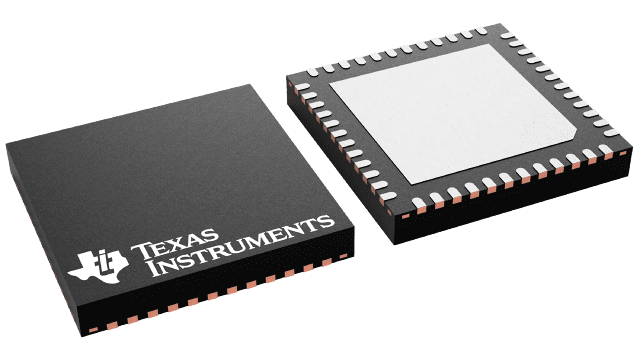
VQFN (RGZ)

CC1352R1F3RGZR

Active
Texas Instruments

SIMPLELINK™ 32-BIT ARM CORTEX-M4F MULTIPROTOCOL SUB-1 GHZ & 2.4 GHZ WIRELESS MCU WITH 352KB FLASH

VQFN (RGZ)

CC1352R1F3RGZR

Active
Texas Instruments

SIMPLELINK™ 32-BIT ARM CORTEX-M4F MULTIPROTOCOL SUB-1 GHZ & 2.4 GHZ WIRELESS MCU WITH 352KB FLASH

Description

General part information

CC1352 Series

The SimpleLink™CC1352P device is a multiprotocol and multi-band Sub-1 GHz and 2.4-GHz wireless microcontroller (MCU) supportingThread,Zigbee,Bluetooth5.2 Low Energy, IEEE 802.15.4g, IPv6-enabled smart objects (6LoWPAN), MIOTY, Wi-SUN, proprietary systems, including the TI 15.4-Stack (Sub-1 GHz and 2.4 GHz), andconcurrent multiprotocolthrough a Dynamic Multiprotocol Manager (DMM) driver. The device is optimized for low-power wireless communication and advanced sensing inbuilding security systems,HVAC,smart meters,medical,wired networking,portable electronics,home theater & entertainment, andconnected peripheralsmarkets. The highlighted features of this device include:

The CC1352P device is part of the SimpleLink™ MCU platform, which consists of Wi-Fi,BluetoothLow Energy, Thread, Zigbee, Sub-1 GHz MCUs, and host MCUs that all share a common, easy-to-use development environment with a single core software development kit (SDK) and rich tool set. A one-time integration of the SimpleLink™ platform enables you to add any combination of the portfolio’s devices into your design, allowing 100 percent code reuse when your design requirements change. For more information, visitSimpleLink™ MCU platform.

The SimpleLink™CC1352P device is a multiprotocol and multi-band Sub-1 GHz and 2.4-GHz wireless microcontroller (MCU) supportingThread,Zigbee,Bluetooth5.2 Low Energy, IEEE 802.15.4g, IPv6-enabled smart objects (6LoWPAN), MIOTY, Wi-SUN, proprietary systems, including the TI 15.4-Stack (Sub-1 GHz and 2.4 GHz), andconcurrent multiprotocolthrough a Dynamic Multiprotocol Manager (DMM) driver. The device is optimized for low-power wireless communication and advanced sensing inbuilding security systems,HVAC,smart meters,medical,wired networking,portable electronics,home theater & entertainment, andconnected peripheralsmarkets. The highlighted features of this device include:

Technical Specifications

Parameters and characteristics for this part

SpecificationCC1352R1F3RGZR
Current - Receiving (Max)6.9 mA
Current - Receiving (Min)5.8 mA
Current - Transmitting (Max)24.9 mA
Current - Transmitting (Min)7.1 mA
Data Rate (Max)250 kBaud
Frequency Range 1 (Max)351 MHz
Frequency Range 1 (Min)287 MHz
Frequency Range 2 (Max)527 MHz
Frequency Range 2 (Min)359 MHz
Frequency Range 3 (Max)1.054 GHz
Frequency Range 3 (Min)861 MHz
Frequency Range 4 (Max)1.315 GHz
Frequency Range 4 (Min)1.076 GHz
Frequency Range 5 (Max)2.5 GHz
Frequency Range 5 (Min)2.36 GHz
GPIO Count28
Memory Size80 kB
Memory Size (Flash)352 kB
Memory TypeFlash, RAM
Modulation2FSK, 4FSK, GFSK
Mounting TypeSurface Mount
Operating Temperature (Max)85 °C
Operating Temperature (Min)-40 °C
Package / Case48-VFQFN Exposed Pad
Package Length7 mm
Package Name48-VQFN
Package Width7 mm
Power - Output14 dBm
ProtocolZigbee®, Bluetooth v5.1, Thread
RF Family/StandardBluetooth
Sensitivity-110 dBm
Serial InterfacesSPI, I2C, I2S, UART
TypeTxRx + MCU
Voltage - Supply (Maximum)3.8 V
Voltage - Supply (Minimum)1.8 V

Pricing

Prices provided here are for design reference only. For realtime values and availability, please visit the distributors directly

Sign in to see pricing

Create a free account to access distributor pricing data.

CAD

3D models and CAD resources for this part

Documents

Technical documentation and resources

Unlock every door with the SimpleLink™ platform
TI Bluetooth: Invalid RPA Leading to DoS for Bonded Devices (CVE-2023-52709) (Rev. A)
How to create a robust building security system with TI’s SimpleLink MCU platform
Your microcontroller deserves a nap – designing "sleepy" wireless applications
CC13x2, CC26x2 SimpleLink Wireless MCU Technical Reference Manual (Rev. G)
TI Wi-SUN® FAN Stack - Software Overview (Rev. A)
CC1352R SimpleLink™ High-Performance Multi-Band Wireless MCU datasheet (Rev. I)
Dynamic Multi-Protocol (DMM) Performance
CC13xx IQ Samples (Rev. B)
Understanding security features for SimpleLink™ Sub-1 GHz CC13x2 MCUs
TI-15.4 Stack Frequency Hopping Mode FCC Compliance (Rev. A)
Migrating your proprietary solution to the SimpleLink™ WMCU
Running Bluetooth® Low Energy on CC13x2/CC26xx Without a 32 kHz Crystal (Rev. C)
Understanding security features for SimpleLink™ Zigbee CC13x2 and CC26x2 Wireles
Deep dive into the tools and development kits of the SimpleLink™ MCU platform (Rev. B)
Exploring Thread and Zigbee for home and building automation
What's New in Zigbee 3.0 (Rev. A)
Dynamic Multi-protocol Manager (DMM) Tech Note (Rev. A)
Electronic Smart Locks: Ultra-low power and Multi-Standard operation
5 things to know about the newest devices of the SimpleLink MCU platform
無線連線技術選擇指南 (Rev. B)
Use of Low-power Zigbee® and Thread With the SimpleLink™ Wireless MCU Family
TI 15.4-Stack Software
Configuring Bluetooth LE devices for Direct Test Mode
CC1352R SimpleLink™ Wireless MCU Device Revision E Silicon Errata (Rev. C)
MIOTY, the new LPWAN standard, provides quality and scalability for worldwide Sub-
Zigbee® Selection Guide for SimpleLink MCUs (Rev. F)
Wireless Connectivity Technology Selection Guide (Rev. B)
Wireless Technologies for Solar Micro Inverters and Trackers (Rev. A)
Z-Stack End Dev Pwr Cons Measuremen w/ the SimpleLink™ Wireless MCU Family (Rev. B)
Leitfaden zur Auswahl drahtloser Kommunikationstechnologie (Rev. B)
Connect One TI 15.4 Stack Sensor to Multiple Gateways
Secure Boot in SimpleLink™ CC13x2/CC26x2 Wireless MCUs
Low-Power ADC Solution for CC13x2 and CC26x2
Real-time sensing doesn’t have to consume a lot of energy
Cloning Z-Stack Network Properties Using the SimpleLink Wireless MCU Family
Finding Settings for New Phy’s for the CC13x0 and CC13x2 Family
Wide-Band DSSS Mode for FCC Digital Transmission Systems Using CC13x2 (Rev. A)
Ultra-Low Power Designs With the CC13x2 and CC26x2 Sensor Controller
Cryptographic Performance and Energy Efficiency on SimpleLink CC13x2/CC26x2 MCUs
Matched Filter Balun for CC1352 and CC1352P (Rev. A)
Time Multiplexing: Concurrent Multi-standard Operation
Simple and efficient software development with the SimpleLink™ MCU platform (Rev. E)
SimpleLink CC131x and CC135x Family Hardware Migration Guide
Single-Chip Flow Metering Solution With the CC13x2R Wireless MCUs
How to Do RF Radio Test With Your Bluetooth Product (Rev. A)
Sensor Sequencing Using the CC13x2 and CC26x2 Sensor Controller
Out-of-box star-network solution: TI 15.4-Stack
CC2538, CC13xx, and CC26xx Serial Bootloader Interface (Rev. E)
An out-of-the-box Internet of Things: building a seamless and secure smart home ne
How TI helps expand connectivity beyond the front door with Amazon Sidewalk
Innovate, accelerate and connect across frequency bands and protocols with the Sim
Z-Stack Large Mesh Network Performance Using the SimpleLink™ Wireless MCU Family (Rev. B)
RF PCB Simulation Cookbook
Debugging Communication Range (Rev. A)
MIOTY® Demo Software Quick Start Guide (Rev. A)
Ultra-Low Power Sensing Applications With CC13x2/CC26x2 (Rev. B)
Bluetooth® Low Energy Tree Structure Network
Seamlessly connect your world with 16 new wireless MCUs for the 2.4-GHz and Sub-1-
TI Bluetooth® Mesh Software Product Brief
How to Certify Your Bluetooth Product (Rev. M)
433 to 930-MHz and 2.4-GHz BOM Tunable PCB Antenna
Thread and Zigbee for home and building automation
SimpleLink™ MCU SDK expands multiprotocol support
Using the SimpleLink™ Sub-1 GHz 15.4-Stack: Choose between Sync / Async mode
Measuring CC13xx and CC26xx current consumption (Rev. D)
CE Regulations for SRDs Operating in License-Free 2.4GHz/5GHz Bands-WiFi Devices (Rev. A)
CC13xx/CC26xx Hardware Configuration and PCB Design Considerations (Rev. H)
Antenna Impedance Measurement and Matching
Meet the SimpleLink™ Sensor Controller
Bluetooth Low Energy – Invalid Connection Request (SweynTooth) (Rev. A)
TI-RTOS 2.20 for CC13xx/CC26xx SimpleLink Getting Started Guide (Rev. D)
무선 연결 기술 선택 가이드 (Rev. B)
CC1352R Errata