TPS62160DSGR
Active3V-17V 1A STEP-DOWN CONVERTERS WITH DCS-CONTROL™
TPS62160DSGR
Active3V-17V 1A STEP-DOWN CONVERTERS WITH DCS-CONTROL™
Description
General part information
TPS62160 Series
The TPS6216x device family are easy to use synchronous step-down DC/DC converters optimized for applications with high power density. A high switching frequency of typically 2.25 MHz allows the use of small inductors and provides fast transient response as well as high output voltage accuracy by utilization of the DCS-Control™ topology.
With its wide operating input voltage range of 3 V to 17 V, the devices are ideally suited for systems powered from either a Li-Ion or other battery as well as from 12-V intermediate power rails. It supports up to 1-A continuous output current at output voltages between 0.9 V and 6 V (with 100% duty cycle mode).
Power sequencing is also possible by configuring the enable and open-drain power good pins.
Technical Specifications
Parameters and characteristics for this part
| Specification | TPS62160DSGR |
|---|---|
| Current - Output | 1 A |
| Frequency - Switching | 2.25 MHz |
| Function | Step-Down |
| Mounting Type | Surface Mount |
| Number of Outputs | 1 |
| Operating Temperature (Max) | 85 °C |
| Operating Temperature (Min) | -40 °C |
| Output Configuration | Positive |
| Output Type | Adjustable |
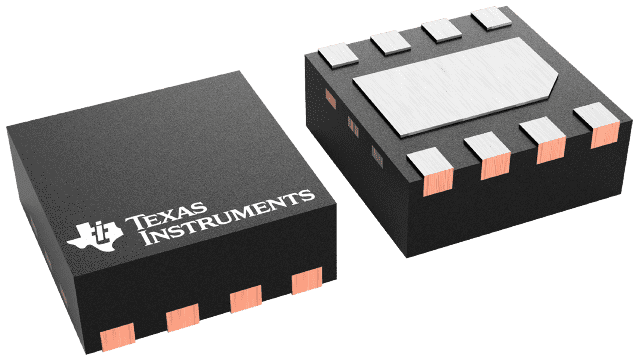
| Package / Case | 8-WFDFN Exposed Pad |
| Package Length | 2 mm |
| Package Name | 8-WSON |
| Package Width | 2 mm |
| Synchronous Rectifier | Yes |
| Topology | Buck |
| Voltage - Input (Max) | 17 V |
| Voltage - Input (Min) | 3 V |
| Voltage - Output (Max) | 6 V |
| Voltage - Output (Min/Fixed) | 0.9 V |
Pricing
Prices provided here are for design reference only. For realtime values and availability, please visit the distributors directly
Sign in to see pricing
Create a free account to access distributor pricing data.
CAD
3D models and CAD resources for this part
Documents
Technical documentation and resources