TPD4E001 Series
Quad 1.5-pF, 5.5-V, ±8-kV ESD protection diode with 1-nA max leakage & VCC pin for USB 2.0
Manufacturer: Texas Instruments
Catalog
Quad 1.5-pF, 5.5-V, ±8-kV ESD protection diode with 1-nA max leakage & VCC pin for USB 2.0
Description
AI
The TPD4E001 is a four-channel Transient Voltage Suppressor (TVS) based Electrostatic Discharge (ESD) protection diode array. The TPD4E001 is rated to dissipate ESD strikes at the maximum level specified in the IEC 61000-4-2 international standard (Level 4). This device has a 1.5pF IO capacitance per channel, making it ideal for use in high-speed data IO interfaces. The ultra low leakage current (< 1nA maximum) is suitable for precision analog measurements in applications like glucose meters and heart rate monitors.
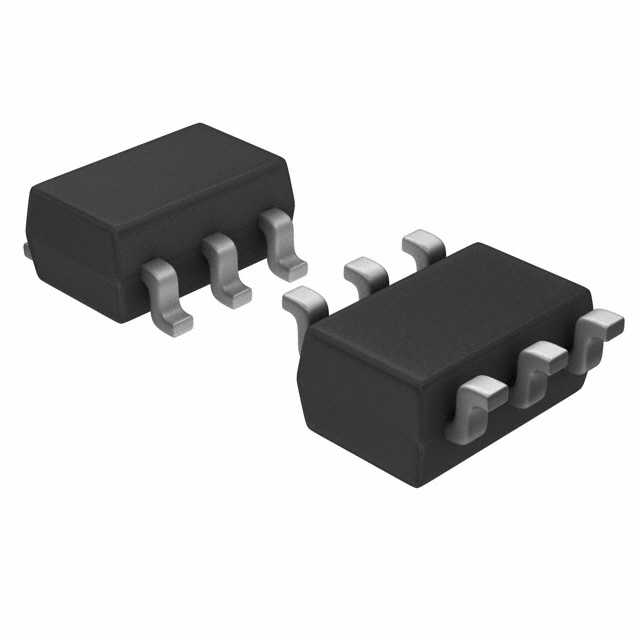
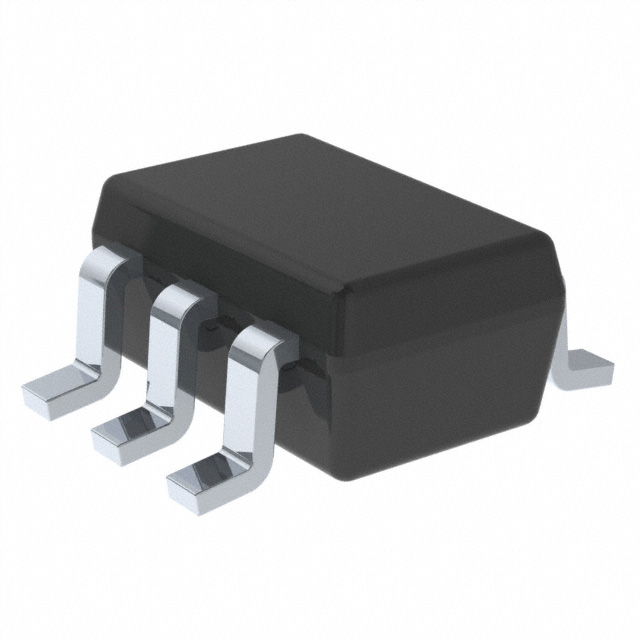
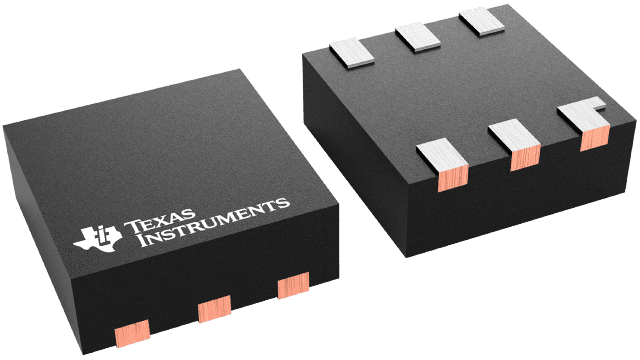
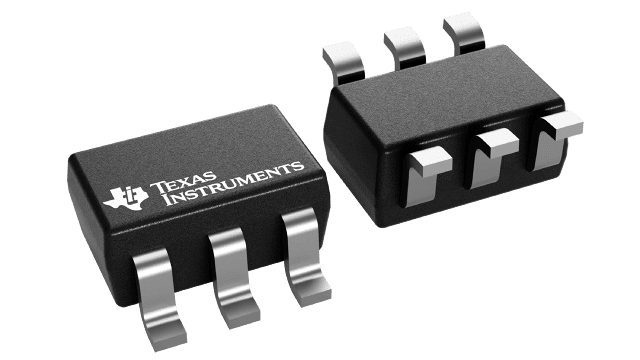
The TPD4E001 is available in DRL(SOT), DBV (SOT-23), DCK (SC-70), DRS (QFN), and DPK (PUSON) packages and is specified for –40°C to +85°C operation. See also theTPD4E1U06DCKRandTPD4E1U06DBVRwhich are p2p compatible with theTPD4E001DCKRandTPD4E001DBVR. These devices offer higher IEC protection, lower capacitance, lower clamping voltage, and eliminate the input capacitor requirement.
The TPD4E001 is a four-channel Transient Voltage Suppressor (TVS) based Electrostatic Discharge (ESD) protection diode array. The TPD4E001 is rated to dissipate ESD strikes at the maximum level specified in the IEC 61000-4-2 international standard (Level 4). This device has a 1.5pF IO capacitance per channel, making it ideal for use in high-speed data IO interfaces. The ultra low leakage current (< 1nA maximum) is suitable for precision analog measurements in applications like glucose meters and heart rate monitors.
The TPD4E001 is available in DRL(SOT), DBV (SOT-23), DCK (SC-70), DRS (QFN), and DPK (PUSON) packages and is specified for –40°C to +85°C operation. See also theTPD4E1U06DCKRandTPD4E1U06DBVRwhich are p2p compatible with theTPD4E001DCKRandTPD4E001DBVR. These devices offer higher IEC protection, lower capacitance, lower clamping voltage, and eliminate the input capacitor requirement.