
74ACT533 Series
Manufacturer: Texas Instruments


OCTAL TRANSPARENT D-TYPE LATCHES WITH 3-STATE OUTPUTS
| Part | Package Length | Package Name | Package Width | Independent Circuits | Logic Type | Voltage - Supply (Maximum) | Voltage - Supply (Minimum) | Delay Time - Propagation | Operating Temperature (Min) | Operating Temperature (Max) | Circuit | Current - Output Low | Current - Output High | Mounting Type | Output Type |
|---|---|---|---|---|---|---|---|---|---|---|---|---|---|---|---|
 Texas Instruments | 0.173 in | 20-TSSOP | 4.4 mm | 1 | D-Type Transparent Latch | 5.5 V | 4.5 V | 2.5 ns | -40 °C | 85 °C | 8:8 | 24 mA | 24 mA | Surface Mount | Tri-State |
 Texas Instruments | 0.209 in | 20-SSOP | 5.3 mm | 1 | D-Type Transparent Latch | 5.5 V | 4.5 V | 2.5 ns | -40 °C | 85 °C | 8:8 | 24 mA | 24 mA | Surface Mount | Tri-State |
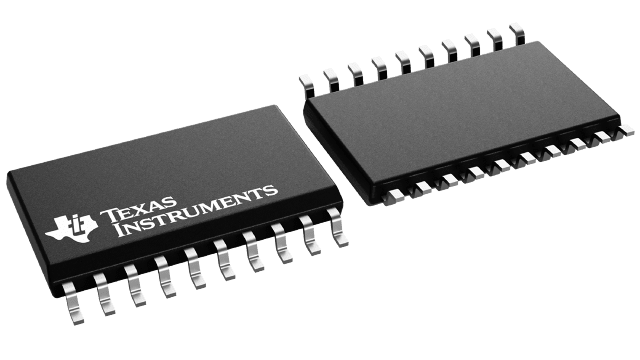 Texas Instruments | 0.295 in | 20-SOIC | 7.5 mm | 1 | D-Type Transparent Latch | 5.5 V | 4.5 V | 2.5 ns | -40 °C | 85 °C | 8:8 | 24 mA | 24 mA | Surface Mount | Tri-State |
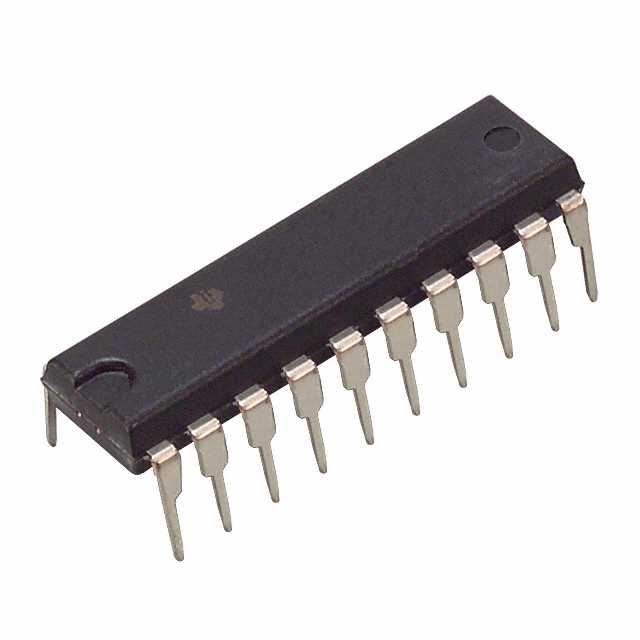 Texas Instruments | 0.3 in | 20-DIP 20-PDIP | 7.62 mm | 1 | D-Type Transparent Latch | 5.5 V | 4.5 V | 2.5 ns | -40 °C | 85 °C | 8:8 | 24 mA | 24 mA | Through Hole | Tri-State |
 Texas Instruments | 0.173 in | 20-TSSOP | 4.4 mm | 1 | D-Type Transparent Latch | 5.5 V | 4.5 V | 2.5 ns | -40 °C | 85 °C | 8:8 | 24 mA | 24 mA | Surface Mount | Tri-State |
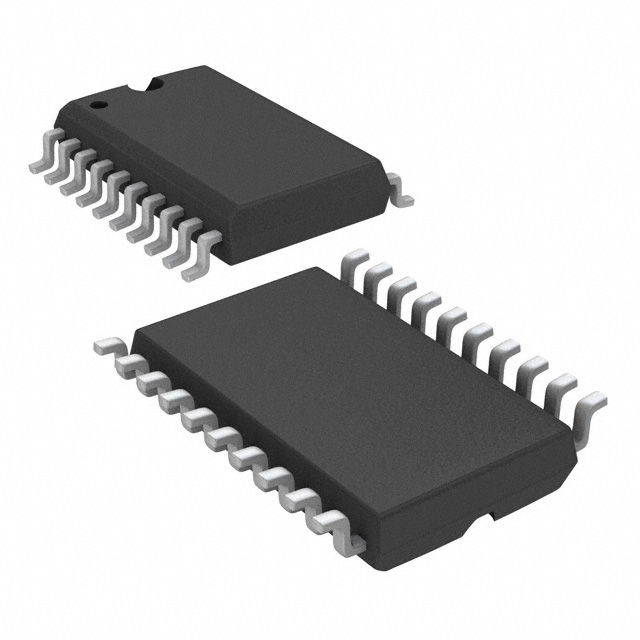 Texas Instruments | 0.295 in | 20-SOIC | 7.5 mm | 1 | D-Type Transparent Latch | 5.5 V | 4.5 V | 2.5 ns | -40 °C | 85 °C | 8:8 | 24 mA | 24 mA | Surface Mount | Tri-State |