TPS54 Series
4-V to 16-V input, 6-A synchronous buck converter, 600-mV reference voltage and hiccup current limit
Manufacturer: Texas Instruments
Catalog
4-V to 16-V input, 6-A synchronous buck converter, 600-mV reference voltage and hiccup current limit
Description
AI
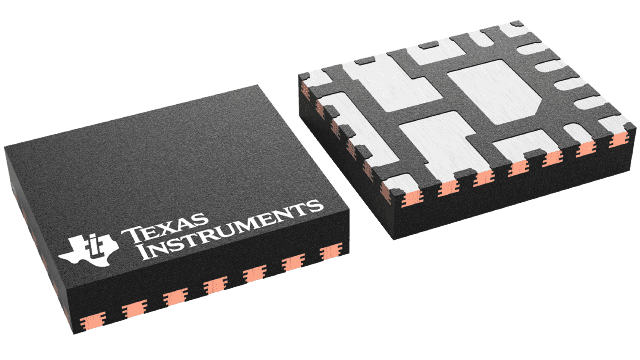
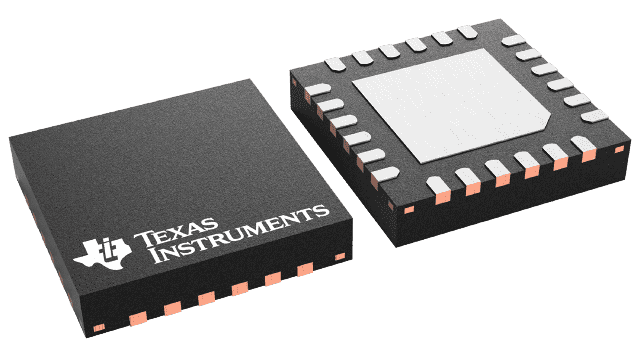
The TPS54A24 is a full-featured 17-V, 10-A synchronous step-down DC/DC converter in a standard 4 mm × 4 mm WQFN package.
The device is optimized for small solution size through high efficiency and integrating the high-side and low-side MOSFETs. Further space savings are achieved through peak-current-mode control, which reduces component count, and by selecting a high switching frequency, reducing the inductor footprint.
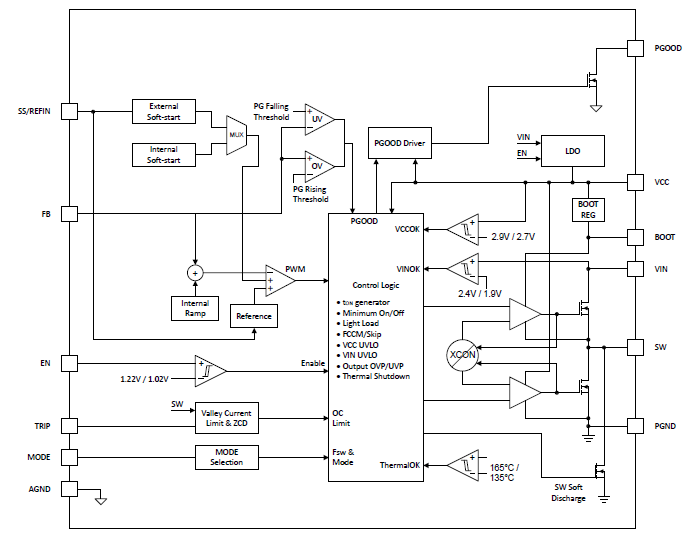
The peak-current-mode control simplifies the loop compensation and provides fast transient response. Cycle-by-cycle peak current limiting on the high-side and low-side sourcing current limit protects the device in overload situations. Hiccup limits MOSFET power dissipation if a short circuit or over loading fault persists.
A power-good supervisor circuit monitors the regulator output. The PGOOD pin is an open-drain output and goes high impedance when the output voltage is in regulation. An internal deglitch time prevents the PGOOD pin from pulling low unless a fault has occurred.
A dedicated EN pin can be used to control the regulator on/off and adjust the input undervoltage lockout. The output voltage start-up ramp is controlled by the SS/TRK pin, which allows operation as either a standalone power supply or in tracking situations.
The TPS54A24 is a full-featured 17-V, 10-A synchronous step-down DC/DC converter in a standard 4 mm × 4 mm WQFN package.
The device is optimized for small solution size through high efficiency and integrating the high-side and low-side MOSFETs. Further space savings are achieved through peak-current-mode control, which reduces component count, and by selecting a high switching frequency, reducing the inductor footprint.
The peak-current-mode control simplifies the loop compensation and provides fast transient response. Cycle-by-cycle peak current limiting on the high-side and low-side sourcing current limit protects the device in overload situations. Hiccup limits MOSFET power dissipation if a short circuit or over loading fault persists.
A power-good supervisor circuit monitors the regulator output. The PGOOD pin is an open-drain output and goes high impedance when the output voltage is in regulation. An internal deglitch time prevents the PGOOD pin from pulling low unless a fault has occurred.
A dedicated EN pin can be used to control the regulator on/off and adjust the input undervoltage lockout. The output voltage start-up ramp is controlled by the SS/TRK pin, which allows operation as either a standalone power supply or in tracking situations.