Catalog
8-channel ANT™ RF Network Processors
Description
AI
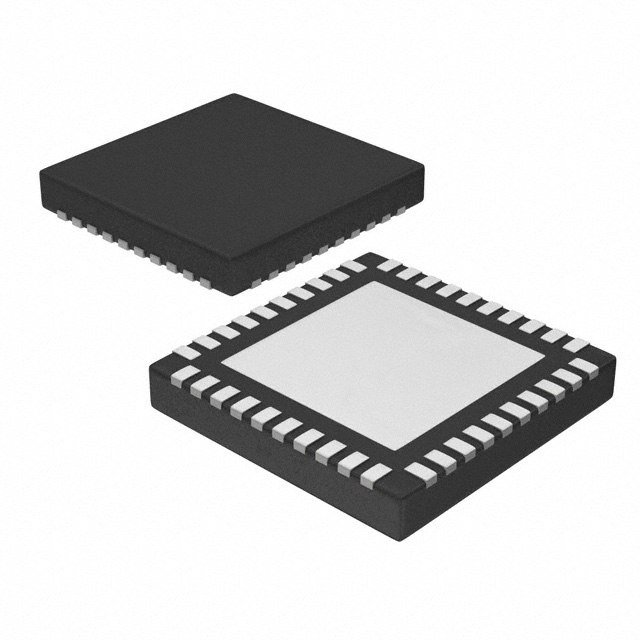
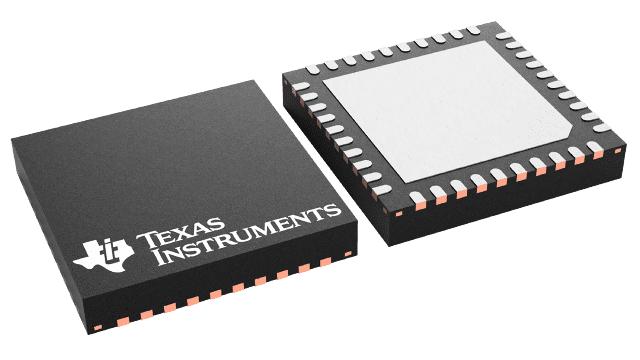
The CC2570 and CC2571 are ANT RF network processors that implement the easy-to-use, power-efficient ANT protocol. The CC2570 supports one ANT channel, whereas the CC2571 supports eight ANT channels. The CC2570/71 can be connected to a host MCU (such as an MSP430) through a UART or SPI serial interface and accessed through a set of API calls. The majority of the ANT protocol is built into the CC2570/71, including the ANT-FS file system functionality; only the application and profile layers must reside on the host MCU, thus keeping host MCU memory requirements to a minimum.
The ANT protocol has been designed to be very power-efficient, yet is flexible enough to support various network topologies (point-to-point, star, connected star, 1-to-N, and N-to-1) and data transfer modes (broadcast, acknowledged, burst data transfer). Each logical ANT channel can be independently configured for one-way or two-way operation, depending on requirements of the application.
The CC2570 and CC2571 are ANT RF network processors that implement the easy-to-use, power-efficient ANT protocol. The CC2570 supports one ANT channel, whereas the CC2571 supports eight ANT channels. The CC2570/71 can be connected to a host MCU (such as an MSP430) through a UART or SPI serial interface and accessed through a set of API calls. The majority of the ANT protocol is built into the CC2570/71, including the ANT-FS file system functionality; only the application and profile layers must reside on the host MCU, thus keeping host MCU memory requirements to a minimum.
The ANT protocol has been designed to be very power-efficient, yet is flexible enough to support various network topologies (point-to-point, star, connected star, 1-to-N, and N-to-1) and data transfer modes (broadcast, acknowledged, burst data transfer). Each logical ANT channel can be independently configured for one-way or two-way operation, depending on requirements of the application.