MAX40662ATE/VY+T
ActiveQUAD TRANSIMPEDANCE AMPLIFIER WITH INPUT CURRENT CLAMP AND MULTIPLEXER FOR LIDAR
MAX40662ATE/VY+T
ActiveQUAD TRANSIMPEDANCE AMPLIFIER WITH INPUT CURRENT CLAMP AND MULTIPLEXER FOR LIDAR
Description
General part information
MAX40662 Series
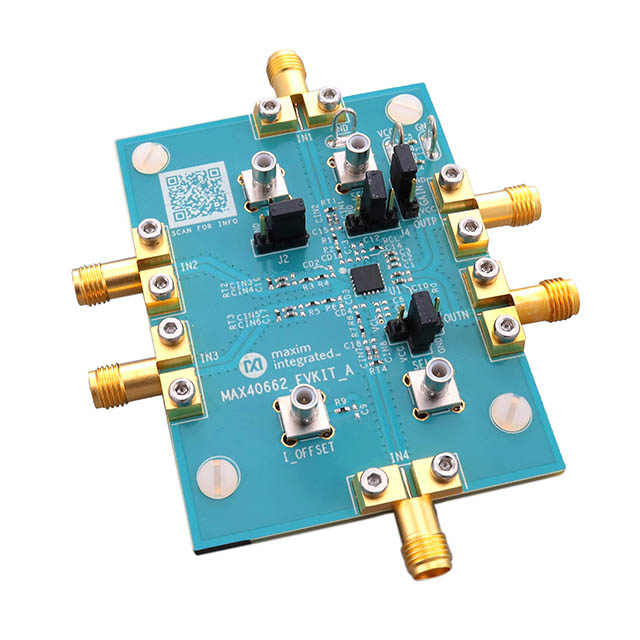
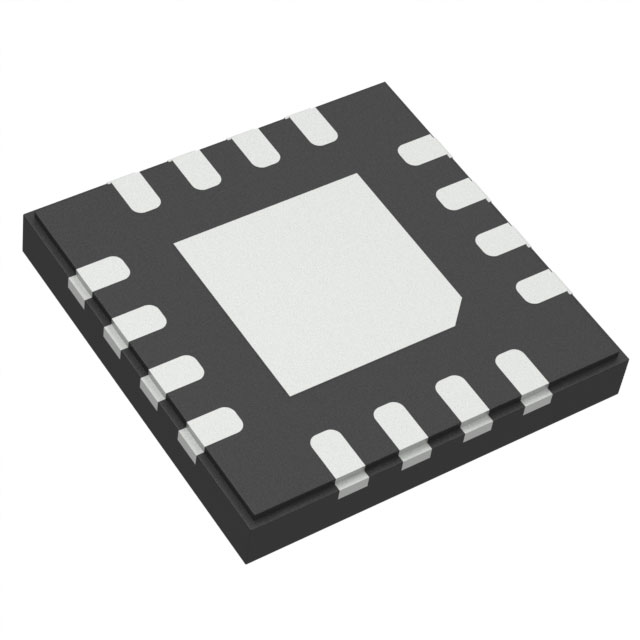
The MAX40662 is a 4-channel transimpedance amplifier for optical distance measurement receivers in light detection and ranging (LiDAR) applications. Low noise, high gain, low group delay, and fast recovery from overload make this quad TIA ideal for time-of-flight distance-measurement applications. The four input transimpedance stages are multiplexed to a pair of differential outputs. Important features include 2.1pA/input-referred noise density, an internal current input clamp (up to 2A for 10ns pulses), pin-selectable 25kΩ and 50kΩ transimpedance, and wide 440MHz bandwidth. An offset current input allows optional output offset adjustment to the output voltage. A low-power/standby mode can be used to help reduce average power supply current between pulses.The MAX40662 is available in a 16-pin, 4mm x 4mm, TQFN package with side-wettable flanks and is specified over the -40°C to +125°C automotive operating temperature range.ApplicationsAutomotive Driver Assistance SystemsLIDAR ReceiversOptical Time-Of-Flight Distance Measurement
Technical Specifications
Parameters and characteristics for this part
| Specification | MAX40662ATE/VY+T |
|---|---|
| Applications | LIDAR Receivers, Optical |
| Grade | Automotive |
| Mounting Type | Wettable Flank, Surface Mount |
| Package / Case | 16-WQFN Exposed Pad |
| Package Length | 4 mm |
| Package Name | 16-TQFN-SW |
| Package Width | 4 mm |
| Qualification | AEC-Q100 |
| Type | Transimpedance Amplifier |
Pricing
Prices provided here are for design reference only. For realtime values and availability, please visit the distributors directly
Sign in to see pricing
Create a free account to access distributor pricing data.
CAD
3D models and CAD resources for this part
Documents
Technical documentation and resources