Zenode.ai Logo
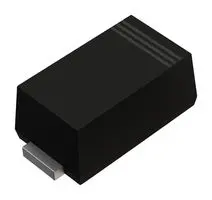
ROHM RB088LAM150TFTR

VS64VLNVWMTFTR

Active
Rohm Semiconductor

64V 200W, COMPACT AND HIGHLY RELIABLE, TRANSIENT VOLTAGE SUPPRESSOR FOR AUTOMOTIVE

Find alt
ROHM RB088LAM150TFTR

VS64VLNVWMTFTR

Active
Rohm Semiconductor

64V 200W, COMPACT AND HIGHLY RELIABLE, TRANSIENT VOLTAGE SUPPRESSOR FOR AUTOMOTIVE

Find alt

Description

General part information

VS64VLNVWMTF Series

VS64VLNVWMTF is high reliability TVS Diode which is AEC-Q101 qualified, for surge protection and voltage regulation. It achieves the same electrical characteristics as conventional ROHM products in the small PMDE package. PMDE package is highly reliable and has excellent heat dissipation efficiency.

Technical Specifications

Parameters and characteristics for this part

SpecificationVS64VLNVWMTFTR
ApplicationsGeneral Purpose
Current - Peak Pulse1.9 A
Mounting TypeSurface Mount
Operating Temperature150 °C
Package / Case2-SMD, Flat Leads
Package NamePMDE
Power - Peak Pulse200 W
Power Line ProtectionNo
TypeZener
Unidirectional Channels1
Voltage - Breakdown (Min)70 V
Voltage - Clamping (Max)103 V
Voltage - Reverse Standoff (Max)64 V

Pricing

Prices provided here are for design reference only. For realtime values and availability, please visit the distributors directly

Sign in to see pricing

Create a free account to access distributor pricing data.

CAD

3D models and CAD resources for this part

Documents

Technical documentation and resources

Datasheet
Technical Data Sheet EN
Package Dimensions
Power Loss and Thermal Design of Diodes
Inner Structure
Judgment Criteria of Thermal Evaluation
Differences between TVS and Zener Diodes
PCB Layout Thermal Design Guide
PCB Layout for TVS Diodes
Impedance Characteristics of Bypass Capacitor
Report of SVHC under REACH Regulation
What Is Thermal Design
Overview of ROHM's Simulation Models(for ICs and Discrete Semiconductors)
Method for Calculating Junction Temperature from Transient Thermal Resistance Data
Advantages of PMDE Compact Package with High Heat Dissipation for Automotive Schottky Barrier Diodes
Taping Information
About Export Regulations
Two-Resistor Model for Thermal Simulation
About Flammability of Materials
Measurement Method and Usage of Thermal Resistance RthJC
What is a Thermal Model? (Diode)
Absolute Maximum Rating and Electrical Characteristics of Diodes
Moisture Sensitivity Level - Diodes
Method for Monitoring Switching Waveform
Condition of Soldering / Land Pattern Reference
Basics of Thermal Resistance and Heat Dissipation
How to Use the Thermal Resistance and Thermal Characteristics Parameters
VS64VLNVWMTF Data Sheet
List of Diode Package Thermal Resistance
Diode Types and Applications
Explanation for Marking
Importance of Probe Calibration When Measuring Power: Deskew
Reliability Test Result
θ<sub>JA</sub> and Ψ<sub>JT</sub>
θ<sub>JC</sub> and Ψ<sub>JT</sub>
How to Use LTspice&reg; Models: Tips for Improving Convergence
Notes for Calculating Power Consumption:Static Operation
Notes for Temperature Measurement Using Thermocouples
Selection Method and Usage of TVS Diodes
What Are TVS Diodes?
How to Use LTspice&reg; Models
Notes for Temperature Measurement Using Forward Voltage of PN Junction
Compliance of the RoHS directive
How to Select Reverse Current Protection Diodes for LDO Regulators
Anti-Whisker formation - Diodes
Precautions When Measuring the Rear of the Package with a Thermocouple
Part Explanation