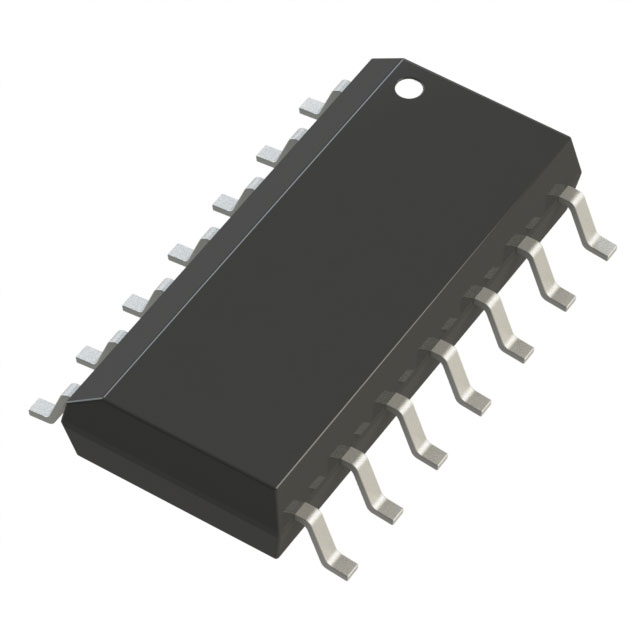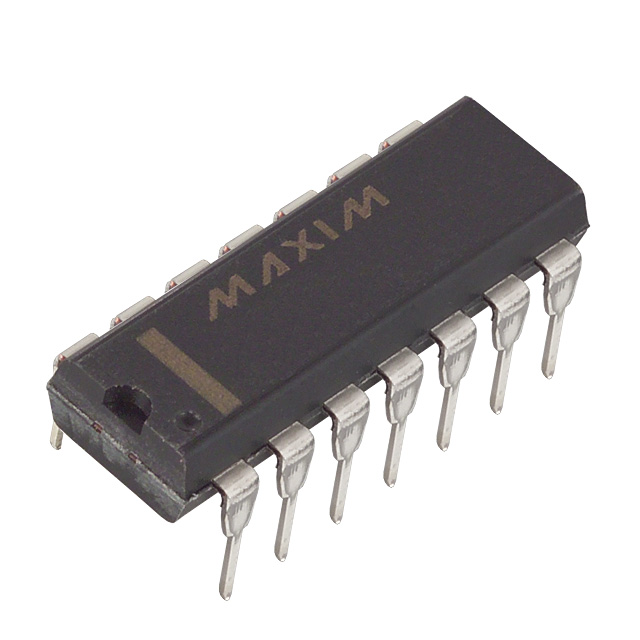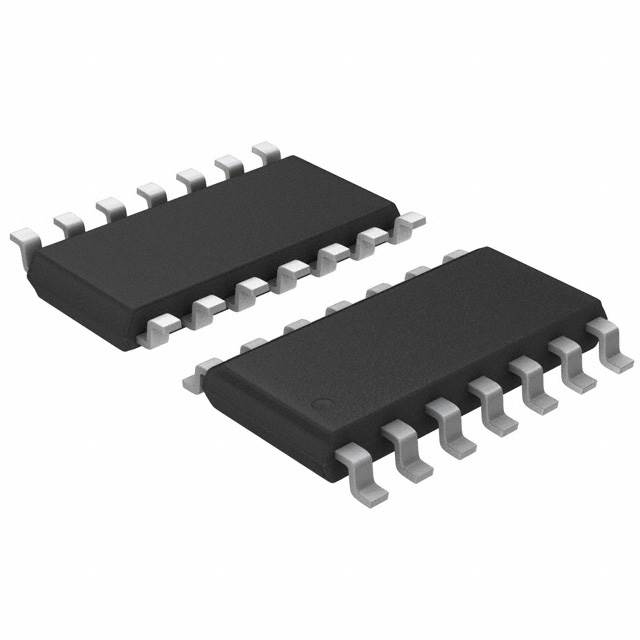
MAX419CSD+
ObsoleteIC OPAMP GP 4 CIRCUIT 14SOIC
MAX419CSD+
ObsoleteIC OPAMP GP 4 CIRCUIT 14SOIC
Description
General part information
MAX419 Series
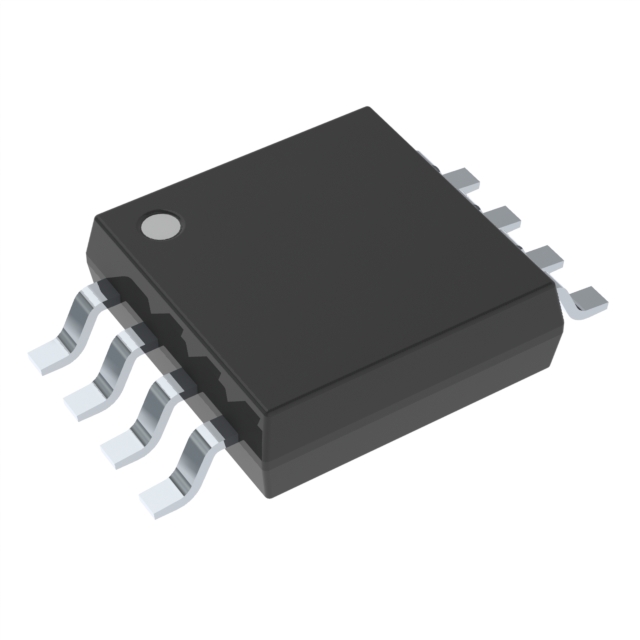
The MAX4198/MAX4199 low-power, rail-to-rail differential amplifiers are ideal for single-supply applications that benefit from a low 0.01% gain error. The MAX4198 is factory trimmed to a fixed gain of +1V/V, and the MAX4199 is trimmed to a fixed gain of +10V/V. Capable of operating from a single +2.7V to +7.5V supply or from dual ±1.35V to ±3.75V supplies, they consume only 42µA while achieving -3dB bandwidths of 175kHz (MAX4198) and 45kHz (MAX4199). These amplifiers feature a shutdown mode that reduces the supply current to 6.5µA.The MAX4198/MAX4199 can drive 5kΩ loads to within 100mV from each rail. The standard differential amplifier configurations provide common-mode rejection of 90dB for the MAX4198 and 110dB for the MAX4199. The input common-mode voltage range for the MAX4198 extends 100mV Beyond-the-Rails™.The MAX4198/MAX4199 are offered in a space-saving 8-pin µMAX® package. For complete micropower, rail-to-rail instrumentation amplifiers, see the MAX4194-MAX4197 data sheet.ApplicationsCurrent-Sense AmplifiersData AcquisitionDifferential Voltage AmplificationInstrumentation Amplifier Building BlockPortable Battery-Powered EquipmentTransducer Interface
Technical Specifications
Parameters and characteristics for this part
| Specification | MAX419CSD+ |
|---|---|
| Amplifier Type | General Purpose |
| Current - Input Bias | 0.1 pA |
| Current - Output / Channel | 600 µA |
| Current - Supply | 1 µA |
| Gain Bandwidth Product | 150 kHz |
| Mounting Type | Surface Mount |
| Number of Circuits | 4 |
| Operating Temperature (Max) | 70 °C |
| Operating Temperature (Min) | 0 °C |
| Output Type | Rail-to-Rail |
| Package Length | 0.154 in |
| Package Name | 14-SOIC |
| Package Width | 3.9 mm |
| Slew Rate | 80 mV/µs |
| Voltage - Input Offset | 1 mV |
| Voltage - Supply Span (Max) | 10 V |
| Voltage - Supply Span (Min) | 2.5 V |
Pricing
Prices provided here are for design reference only. For realtime values and availability, please visit the distributors directly
Sign in to see pricing
Create a free account to access distributor pricing data.
CAD
3D models and CAD resources for this part
Documents
Technical documentation and resources
No documents available